
Comparing Industrial Silencer Types: Which One is Right for You?
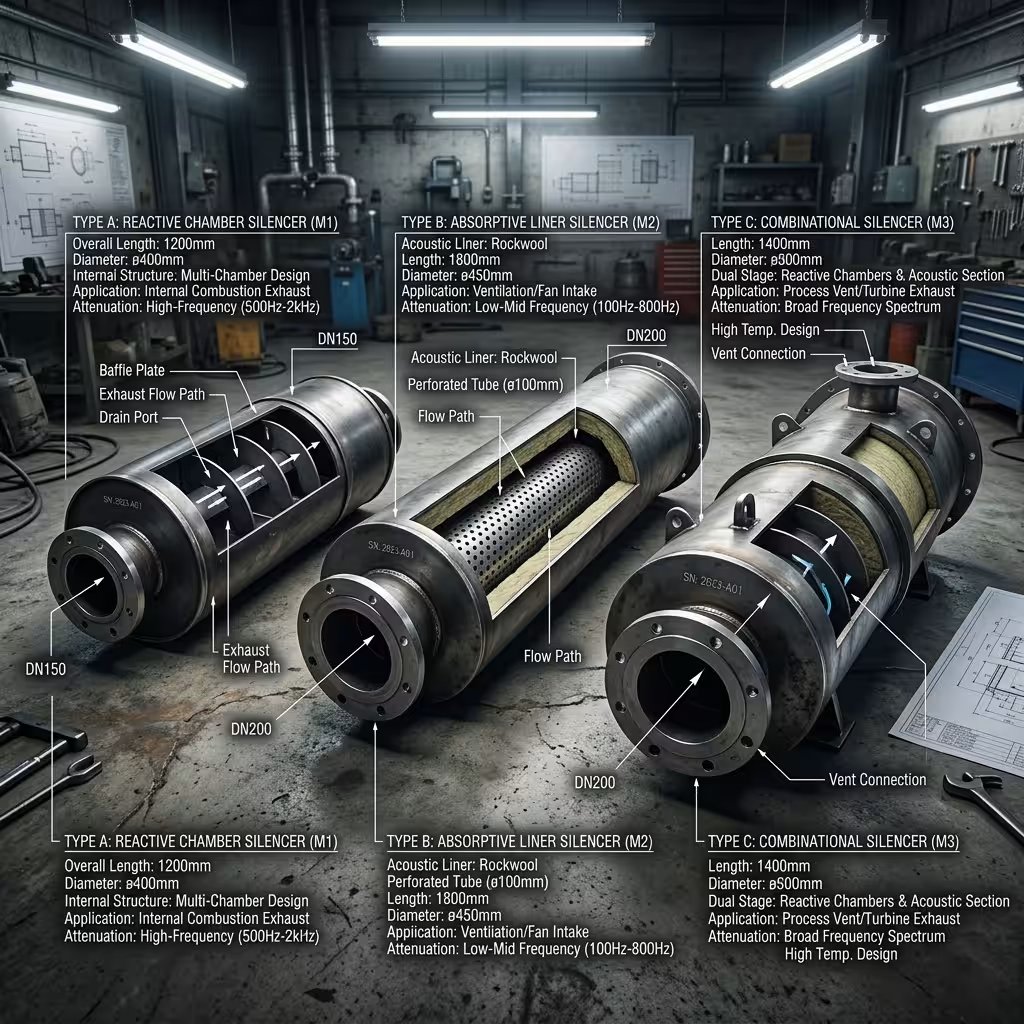
Selecting the right industrial silencer is more than just picking a size. It's about matching the noise attenuation technology to the specific frequency spectrum of your engine or machine. At Bhavani Engineering, we manufacture three main types of silencers: Absorptive, Reactive, and Combination.
1. Absorptive Silencers (Dissipative)
Absorptive silencers use sound-absorbing materials (like Rockwool or acoustic glass fiber) to dissipate sound energy into heat.
- How it works: Sound waves enter the absorbing material and get trapped in the fibrous structure.
- Best for: High-frequency noise (broadband).
- Pros: Low back pressure, effective for small and large gas flows.
- Cons: Less effective at very low frequencies.
2. Reactive Silencers (Reflective)
Reactive silencers use a series of chambers, baffles, and tubes to reflect sound waves back toward the source or cause destructive interference.
- How it works: The internal internal geometry is tuned to specific frequencies. When sound waves hit the chambers, they bounce back and cancel each other out.
- Best for: Low to medium-frequency noise (typically from large reciprocating engines like DG sets).
- Pros: Very durable (no packing material to degrade), excellent for engine exhaust.
- Cons: Can create higher back pressure if not designed carefully.
3. Combination Silencers
As the name suggests, these silencers combine both reactive and absorptive technologies to provide the best of both worlds.
- How it works: A reactive front-end targets low-frequency engine pulses, while an absorptive back-end handles high-frequency rushing sounds.
- Best for: Critical applications where maximum silence is required (Hospitals, Hotels, Residential complexes).
- Pros: Highest noise attenuation across the entire frequency range.
- Cons: Larger footprint and typically more expensive.
Comparison Table
| Feature | Absorptive | Reactive | Combination |
|---|---|---|---|
| Frequency Range | High | Low - Medium | Full Spectrum |
| Noise Reduction | 10-25 dB | 20-35 dB | 30-50+ dB |
| Back Pressure | Very Low | Moderate | Moderate - High |
| Durability | Moderate | Very High | High |
| Common Use | Blowers, Fans | DG Sets, Engines | Premium Acoustic Zones |
Factors to Consider Before Buying
When you contact an industrial silencer manufacturer in Ahmedabad like Bhavani Engineering, we will ask for:
- Engine Model & Rating: Determines the exhaust flow rate.
- Noise Target: What is the required dB level at the boundary?
- Space Constraints: Is there enough room for a larger combination silencer?
- Environment: Will it be exposed to corrosive gases or high temperatures?
Conclusion
Choosing the right silencer grade is the difference between a compliant facility and a noise violation. Our engineering team at Bhavani Engineering can help you perform an acoustic audit and select the perfect silencer for your specific needs.
Struggling with industrial noise? Consult with our experts at Bhavani Engineering for a custom silencer design today.
Technical Editorial Team
This technical guide was created by our senior engineering team to ensure knowledge sharing across the industrial noise control community.